News Story
This week, Oxford Playhouse is delighted to welcome back former Artistic Director of the Royal Shakespeare Company, Greg Doran.
After a successful opening in Cambridge last week, the renowned Shakespearean presents the rarely performed Venus & Adonis on The Playhouse stage. This unique theatrical experience brings Shakespeare's great narrative poem to life through spellbinding puppetry, coupled with live narration by award-winning stage actor Simon Russell Beale.
Ahead of its opening this Wednesday, our theatre's Artistic Director, Mike Tweddle, spoke to Greg about what it takes to stage this production, its origins, and his own return to the city.
Mike Tweddle: Hello Greg. We're looking forward to seeing you back in Oxford.
Greg Doran: It's going to be great to be back. I felt very welcomed doing The Two Gentlemen of Verona. Was that two years ago already? Gosh. It's really lovely to be coming back home.
MT: Well it's lovely to now see a different slice of your work, a different relationship with Shakespeare. I guess I’m interested to know how this has resonated with you, the artist, and with you, the person, this time versus twenty-two years ago when you first worked on this poem. What's come to the fore this time?
GD: It's been really interesting how we've found ourselves reinvestigating the sort of sexual politics of it. We were looking at how the goddess of love expects this beautiful young man fall in love with her. She's love. There's a fantastic simple line where Shakespeare says: ‘She’s Love, she loves, and yet she is not lov’d’, which is a wonderful way of encapsulating the entire problem, if you like, because what Shakespeare changes from the original Ovid poem, that he derives the story from, is that in the Ovid, Adonis is perfectly happy to have a relationship with Venus. In the Shakespeare, he has no interest in sex or the female gender or anything.
All he wants to do is go hunting and chase wild boar. She has to go through every trick in the book, every tactic she can summon, to persuade him to engage with her.
Image gallery
A gallery slider
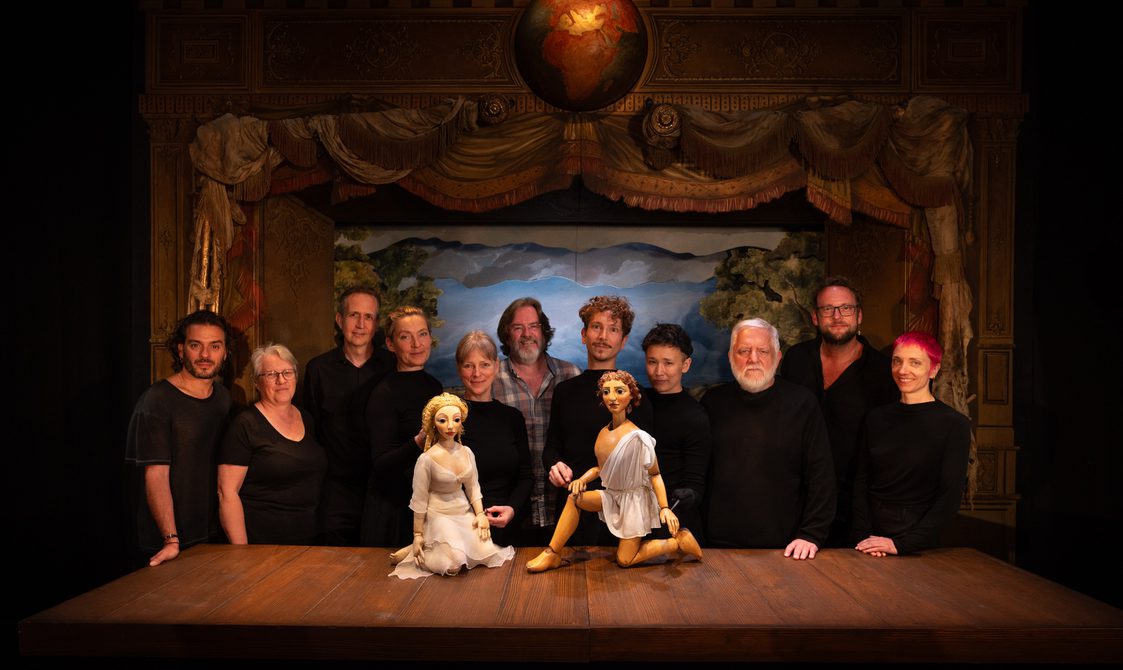
Greg Doran, Simon Russell Beale and the company of Venus & Adonis
Credit : Andrew Walmsley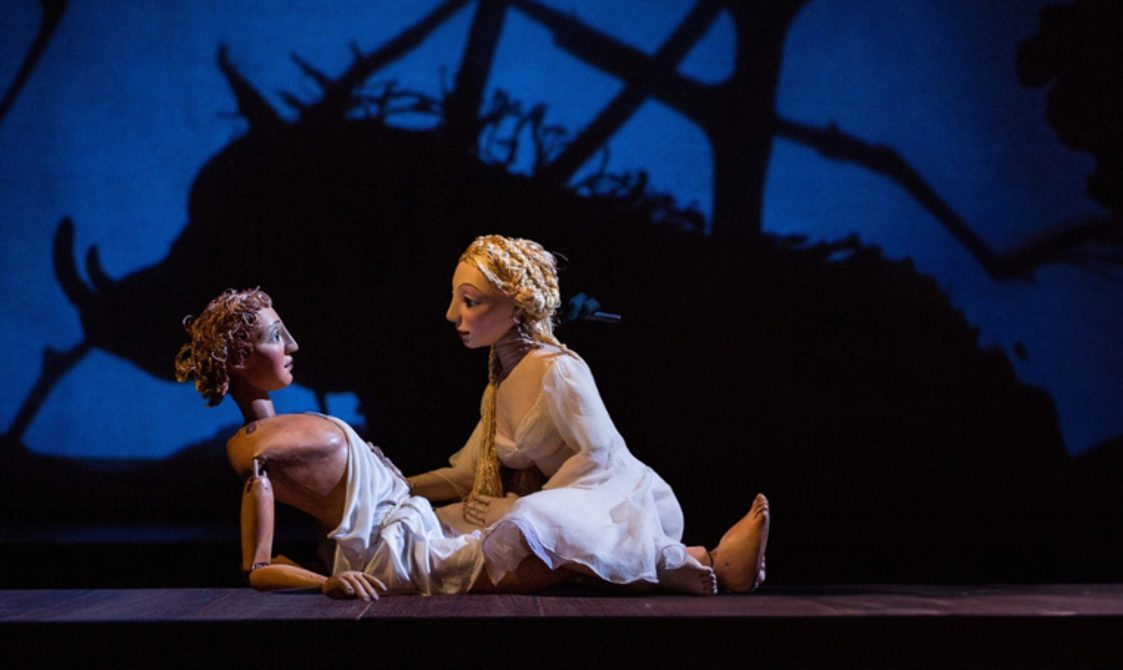
Venus & Adonis, directed by Greg Doran | Wed 17 to Sat 20 Jun
Credit : Lucy Barriball © RSC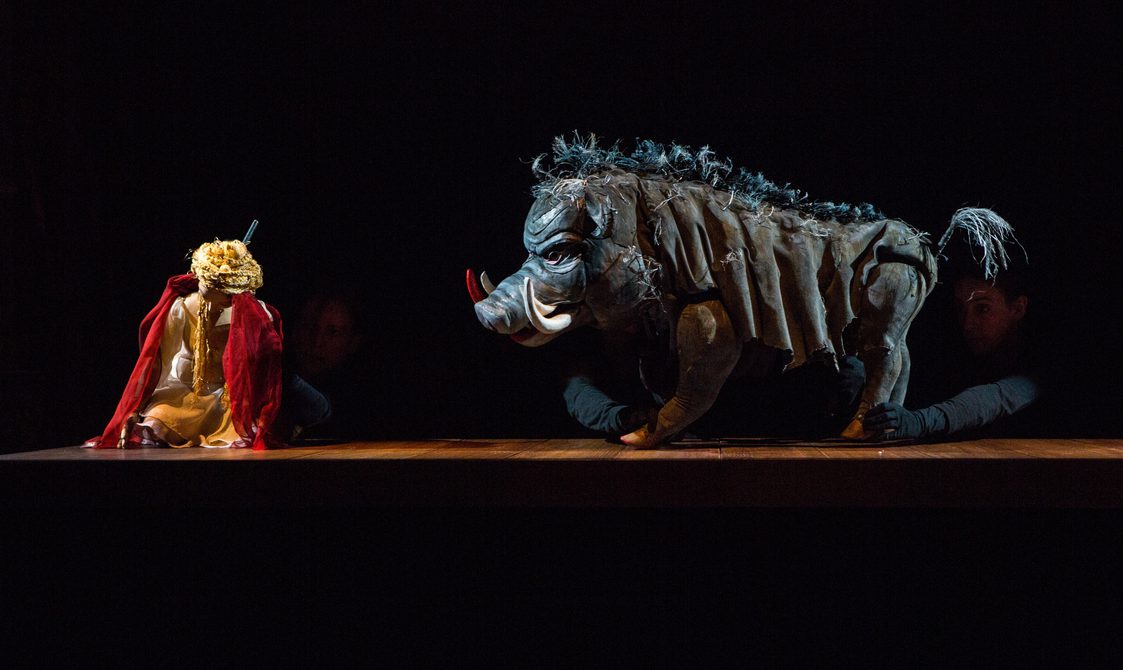
Venus & Adonis, directed by Greg Doran | Wed 17 to Sat 20 Jun
Credit : Lucy Barriball © RSC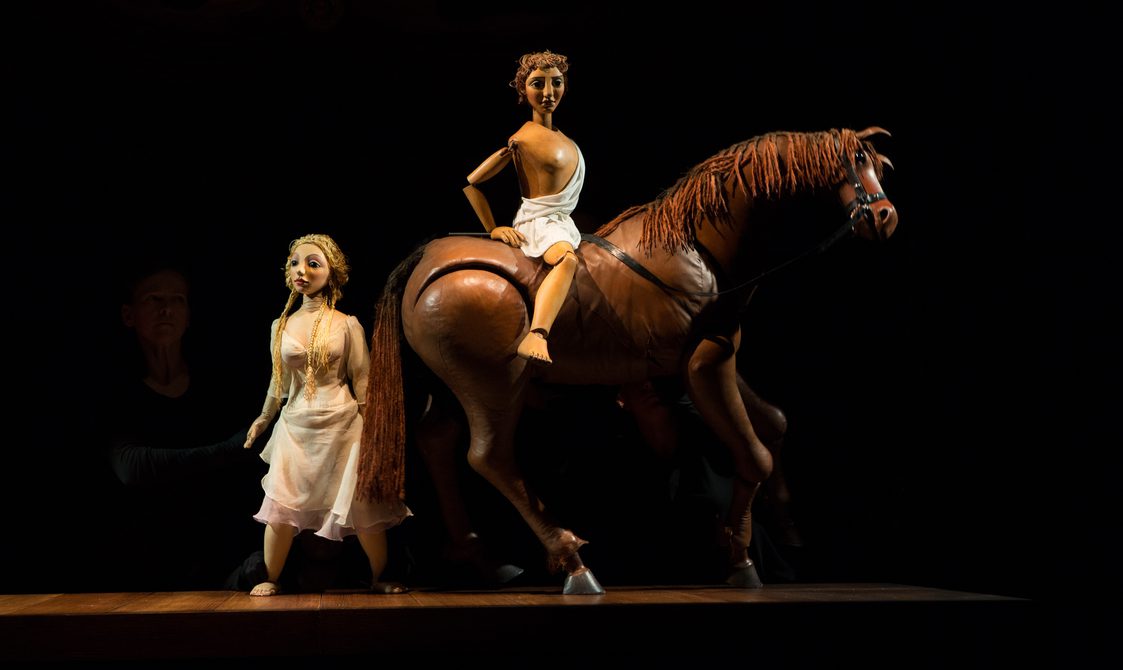
Venus & Adonis, directed by Greg Doran | Wed 17 to Sat 20 Jun
Credit : Lucy Barriball © RSCMT: In terms of an audience who might not be so familiar with Shakespeare or might even be a bit intimidated by coming to see one of the great plays, actually, it sounds like this is a little pocket rocket which visits all those themes, emotions, atmospheres, but in one hour, right? It's a good introduction, I imagine.
GD: It is. I think I’m going to steal your phrase – it’s a pocket rocket, a real gem.
It does go from a very funny first half to a deeply tragic second half. It does show all [Shakespeare's] skill at characterisation, all his brilliance of plotting and at the same time, all in the most memorable language. And sometimes that has great simplicity. It's first-rate Shakespeare, but in a form that we're not familiar with.
MT: You’ve actually got multiple forms of puppetry in this piece. How did you make that judgement about which particular style suited which scene, moment, and element?
GD: It was an interesting journey, really, because I loved the poem. And I remember rereading it and thinking, gosh, this is so funny and so playable. But I couldn't find a way of adapting it.
And then we happened to be on tour in Japan with an RSC production and I had some time to go to Osaka and went to see a show at Bunraku Puppet Theatre. It really blew my socks off. It was a real craft, but when watching, it made me think – this is a way to do Venus & Adonis.
Image gallery
A gallery slider
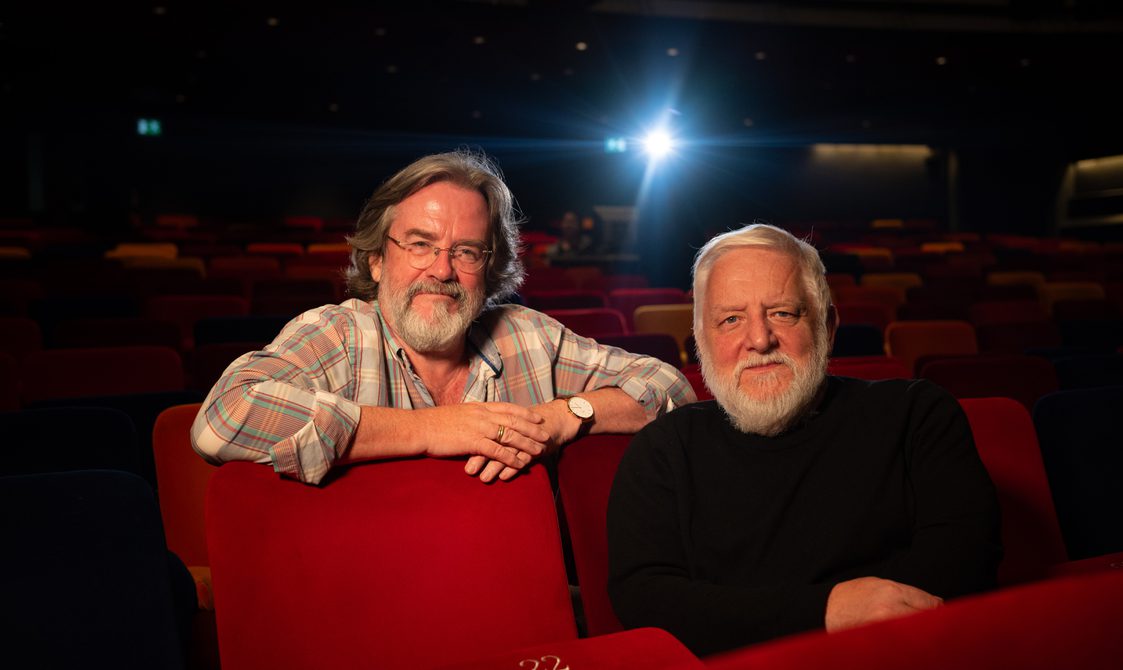
Greg Doran and Simon Russell Beale in the auditorium at Oxford Playhouse
Credit : Andrew Walmsley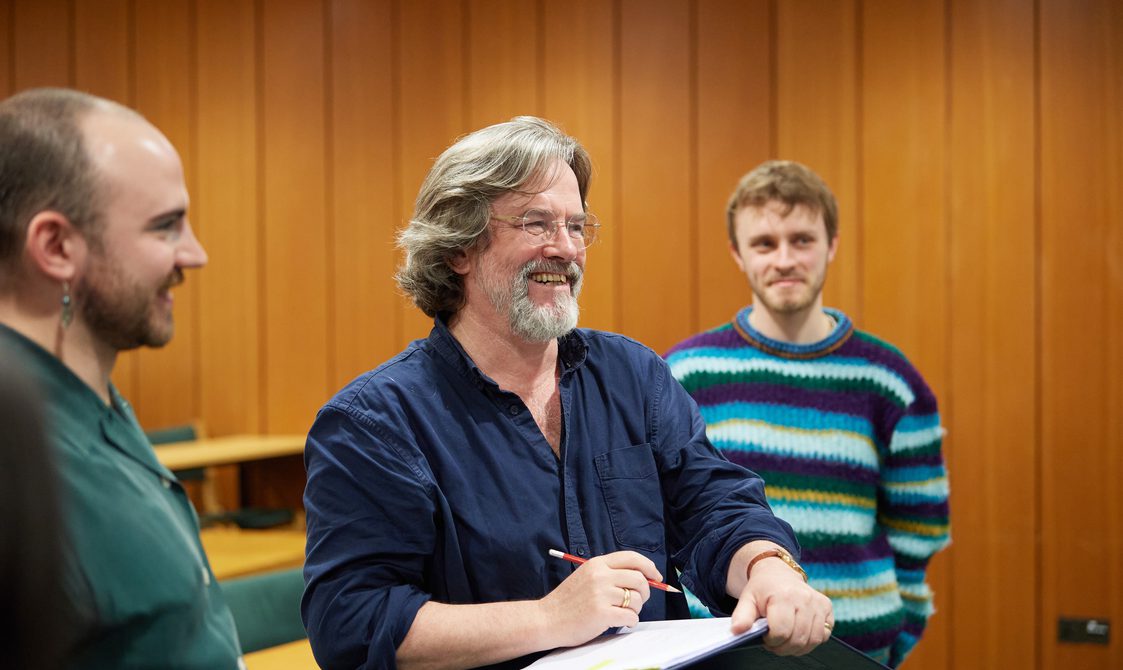
Greg Doran at St Catherine's College during his tenure as Visiting Professor of Contemporary Theatre.
Credit : Geraint Lewis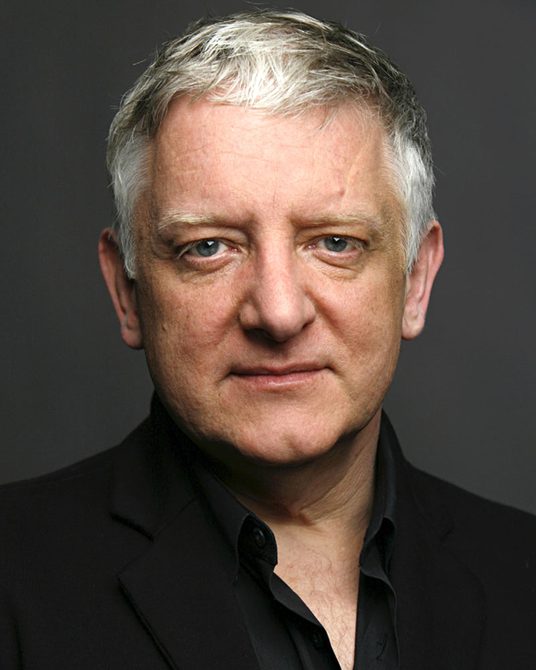
Simon Russell Beale narrates Venus & Adonis live on stage.
Then I took it to the Little Angel Theatre and asked about doing a co-production. I think to begin with, they thought I was mad.
Most of the action is between Venus and Adonis, so they are sort of half human scale. And they are tabletop puppets. So they are operated by multiple puppeteers. We have it all. I remember a field day of lots of gaffer tape, cardboard boxes, toilet rolls and lots of broom handles to create a carnival puppet of death. We have marionettes, and then the first time you see the wild boar, there's some shadow play.
MT: There sounds like there are multiple worlds in this story, and so multiple worlds of poetry, is that right?
GD: That’s correct, it just keeps moving so there’s never time to get bored. There's always some new element arriving in the show.
MT: And a new element this year is Simon Russell Bale, coming in as narrator. You’ve worked with him on some other productions, but I just wonder, what does he specifically bring to this poem that makes him an ideal guide for an audience now?
GD: What Simon brings I think is a real deep professional approach to the speaking of Shakespeare, just like Michael Pennington who was the first narrator back in 2004, and Harriet Walter and Suzanne Burden. They all speak it effortlessly because they've absorbed all the kind of craft of how you do it. And from [Simon's] point of view, it’s a piece of Shakespeare that he didn’t know. So he gets to play the prototype Cleopatra and the truculent toy boy Adonis. You’d have to ask him which one he prefers playing!
Image gallery
A gallery slider
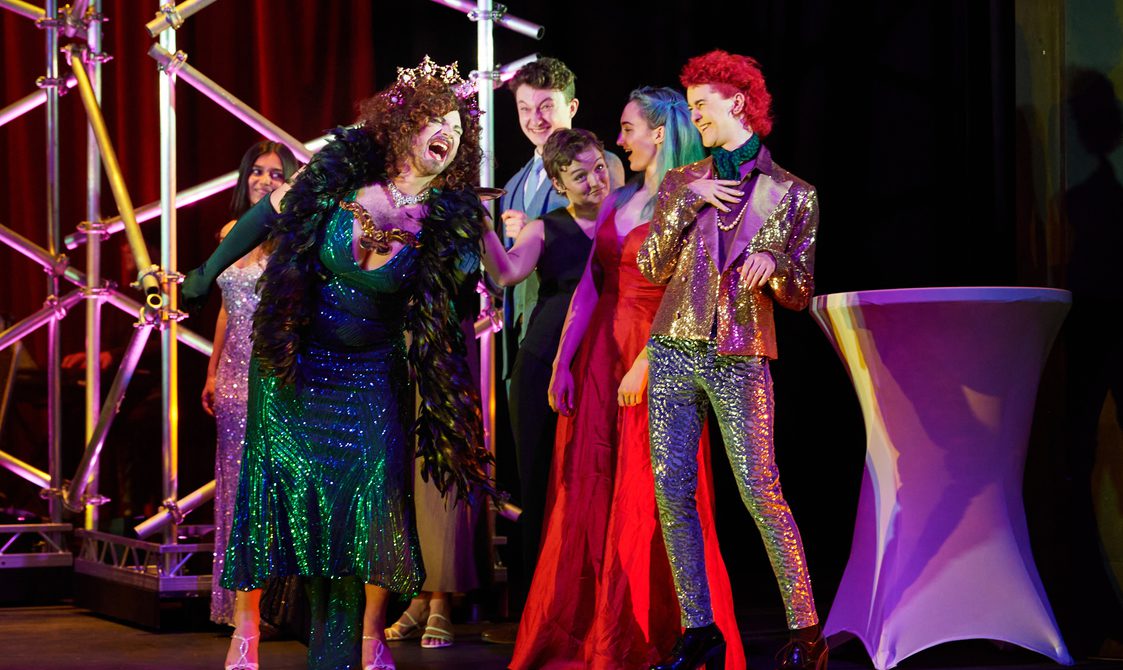
Greg Doran's production of The Two Gentlemen of Verona, staged at Oxford Playhouse in 2024.
Credit : Geraint Lewis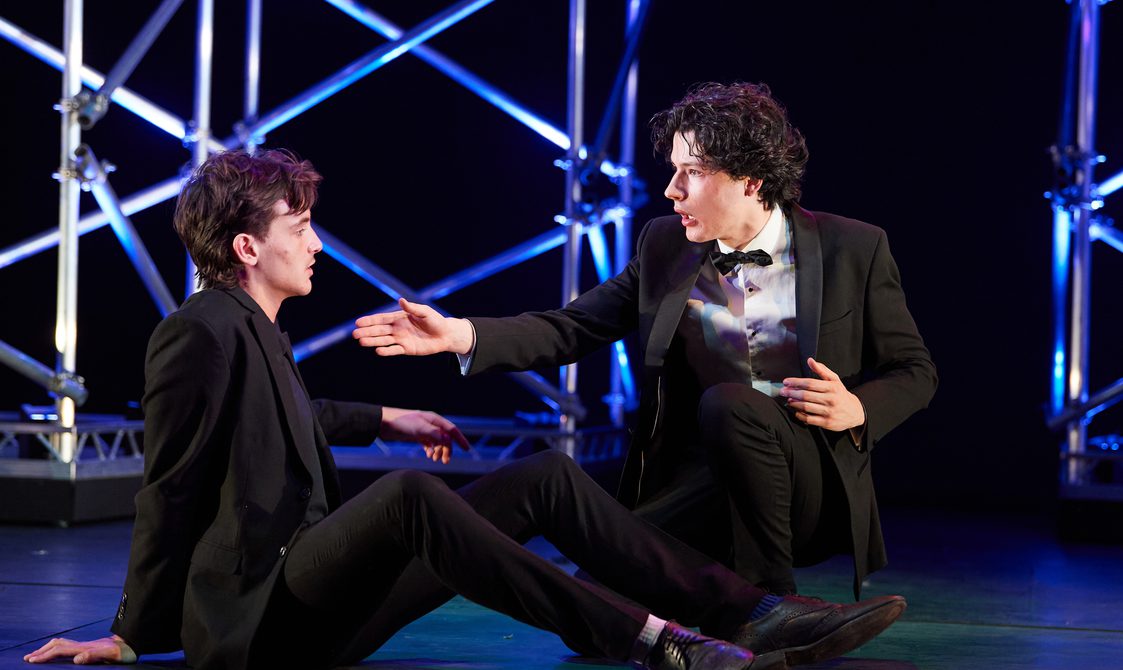
The Two Gentlemen of Verona | Oxford Playhouse
Credit : Geraint Lewis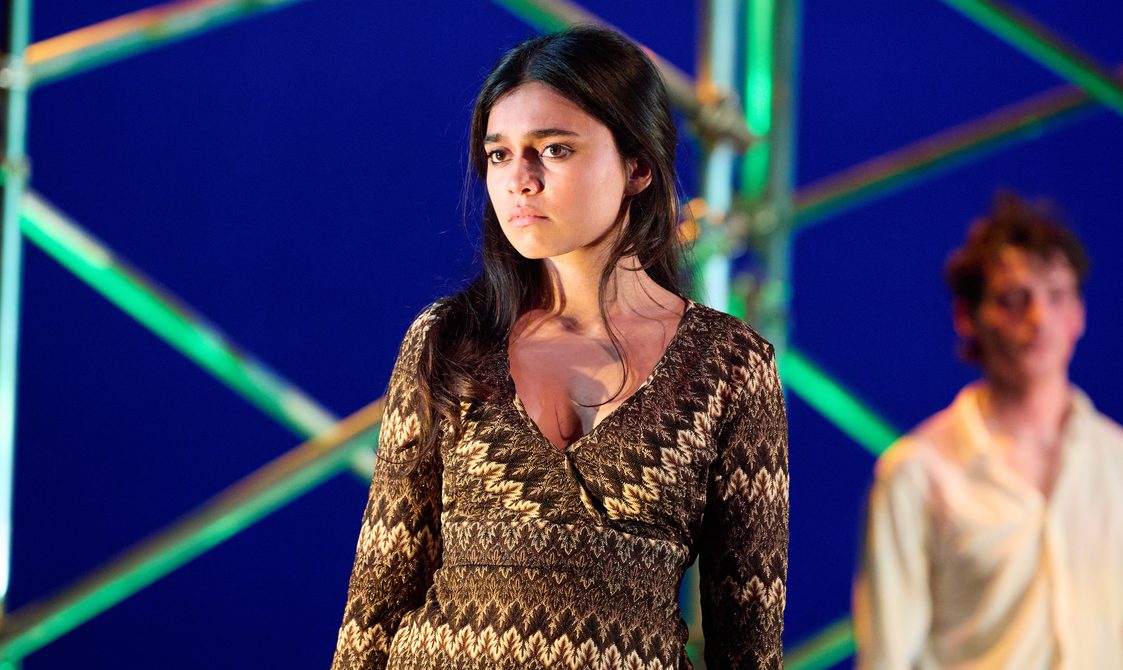
The Two Gentlemen of Verona | Oxford Playhouse
Credit : Geraint Lewis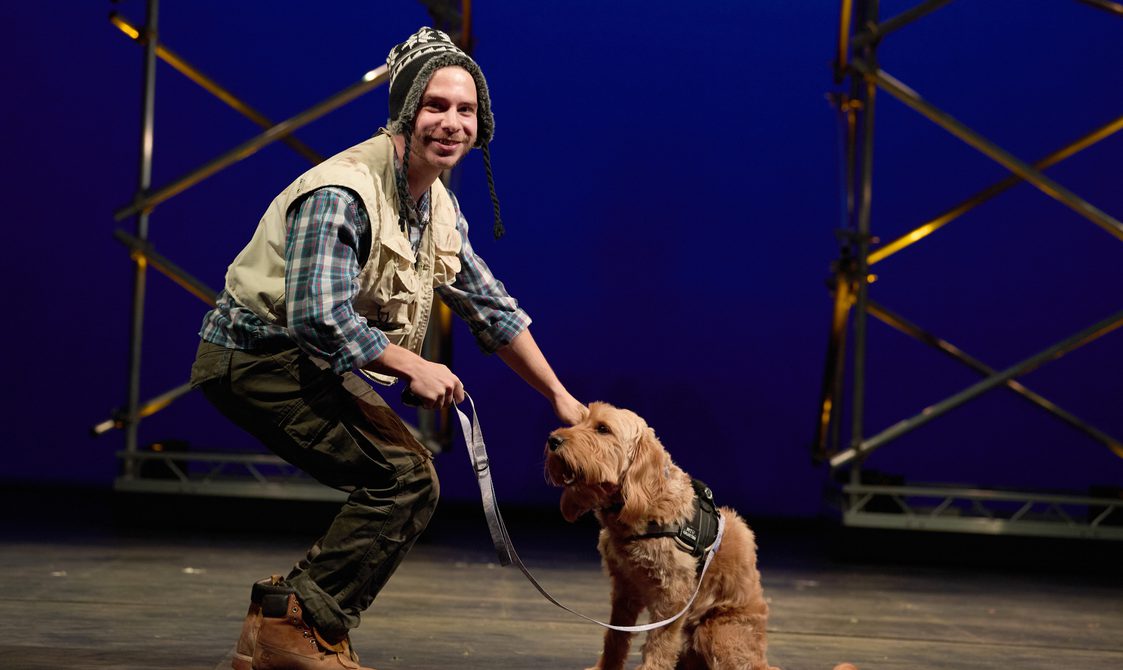
The Two Gentlemen of Verona | Oxford Playhouse
Credit : Geraint LewisMT: I think we should just touch on the fact that you are coming back to Oxford two years on after The Two Gentlemen of Verona.
I know what a legacy that’s left in Oxford among students here, but I just wonder what trace is left in terms of your practise that you’ve taken forward after it.
GD: Well, it was it was it was a profound thing, really, for me, and it came in a very particular point in my life in terms of losing my husband, Tony Sher, and coming to terms with the grief of that. And part of that coming to terms was actually on May Morning. We opened in mid-May with you at the Oxford Playhouse and on May Morning, I was invited as a special guest to climb Magdalen Tower and listen to the choruses sing. And as I looked down at all the students packed on the high street and even in punts on the river, I did feel a sense of joy, but also a sense of hope in the next generation.
What I realised I had most enjoyed about the entire experience was that I was able to pass on some of the experience that I was lucky enough to learn at the feet of some very great actors and directors. And being able to share that seemed like a very important thing to do and a very pleasing thing to do as well.
MT: Well, the generosity with which you shared your practise with them made for a production that just showed itself so clearly and joyously.
The Two Gentlemen of Verona was just a wonder. And so we can't wait to see you again, because for us at Oxford Playhouse, it was a beautiful collaboration as well, to be providing a platform for your work.
So we’re looking forward to next week and I hope it will be one of many return visits to Oxford for you and your work. Thank you for your time.
GD: Thanks, Mike. I'll see you next week.